
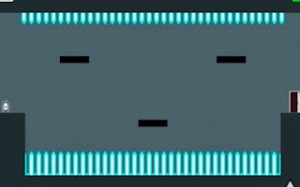
Illuminated Trail Logic Runner
Reviews
Illuminated Trail Logic Runner succeeds by making one simple mechanic feel endlessly fresh. The light beam system is intuitive yet deep, and each level builds on it in satisfying ways. The lack of time limits removes frustration entirely, allowing players to think at their own pace. The hand-drawn art and gentle audio create a peaceful atmosphere that complements the mental challenge. This is a rare puzzle game that truly respects the player's time and intelligence, making it a standout choice for anyone seeking a relaxing yet engaging experience.
About this game
Core Light Mechanics
At the heart of Illuminated Trail Logic Runner is a simple yet deep interaction: the character emits a controlled beam of light. This beam can reveal hidden platforms that are otherwise invisible, trigger switches that open doors or bridges, and illuminate zones where the character can stand safely. Players must decide when and where to shine the light, as using it in one direction may leave other areas dark. The mechanic encourages experimentation and observation, because the same level can look completely different depending on where the light is aimed.
Level Design Philosophy
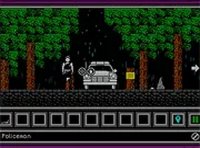
Each stage is built around a single new idea that builds on previous lessons. Early levels teach basic light angles and platform timing, while later stages combine multiple light puzzles with more complex platform layouts. The difficulty increases gently, so players never feel overwhelmed. There are no sudden difficulty spikes or cheap tricks. Instead, each puzzle feels fair and solvable with enough thought. The environments vary from caverns to forest glades, each with its own visual theme that ties into the light-based gameplay.
Pacing and Player Comfort
One of the most notable design choices is the complete absence of time limits. Players can stand still for as long as they need to study the environment and plan their next move. This removes the stress often found in platformers and makes the game accessible to younger players or those who prefer a relaxed pace. The character moves smoothly and responds precisely to input, so the only challenge is mental, not mechanical. This focus on thoughtful problem-solving rather than speed sets the game apart from many other platformers.
Visual Style and Atmosphere
The art direction uses a soft, whimsical palette with gentle shadows and glowing highlights. Characters and objects have a hand-drawn quality that feels warm and inviting. The lighting effects are the star of the visual experience, with beams that cast realistic shadows and create a sense of depth. The sound design complements the visuals with subtle ambient tones and soft sound effects when a puzzle is solved. Together, the audio and visuals create a calm, focused mood that encourages concentration.
Replay and Mastery
After completing a level, players can revisit it to try different approaches or to see if they can solve it more efficiently. Some levels contain optional hidden areas that require creative use of light to reach. These optional paths reward observant players with a sense of discovery. There is no scoring system or leaderboard, so the only goal is personal satisfaction. This makes the game ideal for families where multiple players can take turns solving puzzles without any competitive pressure.







Comments
0 comments