Doodle Dunk Puzzle Arcade
Reviews
Doodle Dunk stands out with its unique blend of drawing puzzles and basketball. The 3D graphics are clean and appealing, while the increasing difficulty keeps you engaged. Each level requires careful planning to avoid obstacles and outsmart opponents, offering good replay value. The controls are intuitive, making it accessible for all ages. It is a solid choice for casual gaming sessions.
About this game
Game Introduction
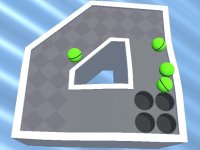
Doodle Dunk Puzzle Game is an arcade basketball puzzle experience that combines drawing mechanics with strategic shooting. The core objective is to guide a ball into the hoop by sketching a path on the screen. Each level presents a unique arrangement of obstacles and opponents, requiring creative planning to score. The game stands out by blending the familiar fun of basketball with the problem-solving appeal of puzzle games, offering a fresh twist for players of all ages.
How to Play
Players use their finger or mouse to draw a line on the screen, creating a trajectory for the ball to follow toward the basket. The drawn path must avoid obstacles and navigate around opponents blocking the way. After sketching the route, the ball rolls along the drawn line, and the player watches to see if it reaches the hoop. As levels progress, the puzzles become more complex, encouraging players to adjust their strategy and think ahead to make successful dunks.
Game Features
The game features cool 3D graphics that make the visual experience engaging and modern. It includes a variety of puzzles that test problem-solving skills, with each level offering a new challenge. Players can outsmart opponents by drawing creative paths, and the simple controls allow anyone to start playing quickly. The combination of drawing and basketball mechanics creates a unique gameplay loop that is both relaxing and stimulating.
Tips for Success
To succeed in Doodle Dunk, take your time to study each level's layout before drawing your path. Look for gaps in obstacles and anticipate opponent movements. Experiment with different trajectory angles to find the most efficient route. Practice regularly to improve your drawing precision and speed. If a level feels too difficult, try a different approach—sometimes a creative solution is the key to scoring.